
The need for mental-health support had been rising for years, and by 2025, the city could feel it everywhere—from downtown clinics to the neighborhoods along I-35. Central Health, the county’s healthcare district, tracked those needs carefully. Their older reports showed that more than 60% of their enrollees used health services each year, and by 2025, the demand for behavioral-health help had grown even more.

At the center of this expanding system was Integral Care, a long-standing pillar in Travis County. Their phone lines were never silent. Day and night, someone in crisis could reach out and find a counselor, a recovery specialist, or a case manager ready to help. Every year nearly 29,000 residents walked through their doors—people struggling with mental-health challenges, substance-use disorders, or disabilities. Integral Care
Integral Care had grown so much that they’d recently opened a youth mental-health crisis center in Mueller, a bright new building that brought relief to worried families and overwhelmed teens.Meanwhile, Central Health published one of its most revealing demographic reports yet. It confirmed what many providers sensed: behavioral-health disorders were now among the top five chronic conditions affecting the county’s low-income population.
With 172 provider locations across Travis County, the network was bigger than ever, but the story beneath the numbers was far more complicated.As analysts dug into the data, they found striking patterns. White enrollees, for example, were significantly more likely to receive a behavioral-health diagnosis—over 50% more likely than average. If a person preferred English, their likelihood jumped even higher.
Not finding the right assistance from the big guys?
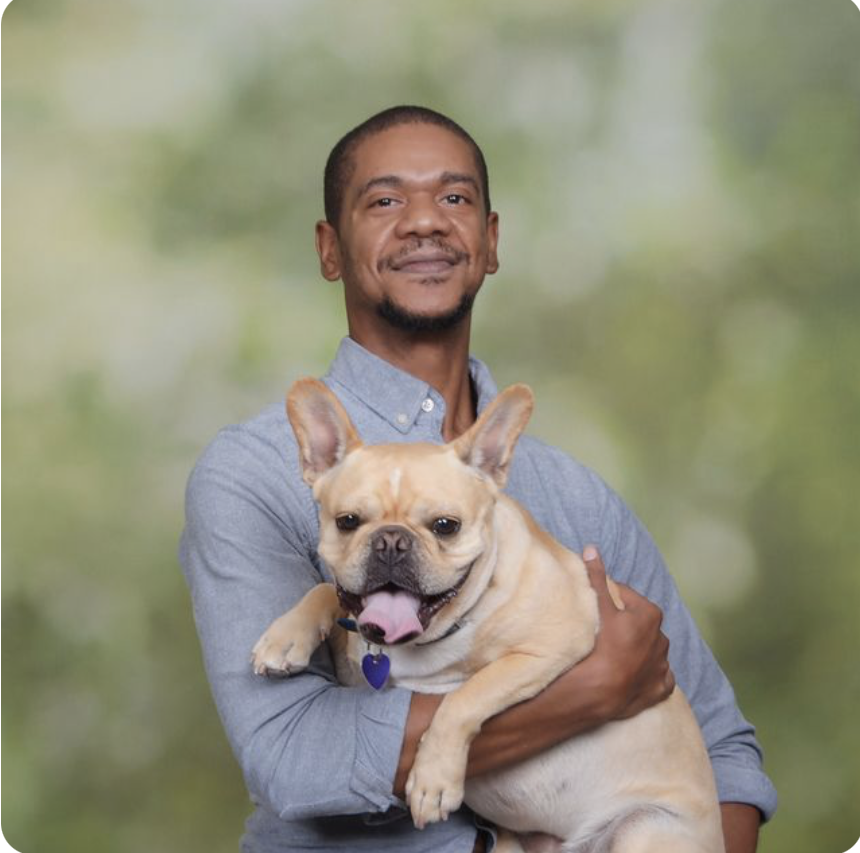
Let Butters and I
Help you create Your Oasis
Experiencing homelessness also pushed the probability upward. Native American enrollees were also diagnosed at elevated rates.But the numbers didn’t run the same way for everyone.
Asian residents were diagnosed far less frequently, and while Black residents showed only a small bump in probability, Central Health’s Equity Index compared expected vs. observed behavioral-health diagnoses among its enrollees. And revealed something deeper: Black enrollees were actually 50% more likely than average to receive a behavioral-health diagnosis when compared to the overall system population. In neighborhoods east of downtown (Residents in East Central Austin) the communities that had long fought for better access—residents were 30% more likely to be diagnosed than the county would predict.
These statistics told a story of need, but also of disparity. Austin’s local journalists and researchers had been sounding the alarm for years: Black patients faced unequal access. According to Austin’s Health Equity Unit, systemic barriers are acknowledged at the local level (race, income, language, location).
And despite the diversity of the city, the mental-health workforce across Texas remained largely White, leaving many communities without culturally competent providers. Central Health’s planners noted the same gaps and began directing more resources toward high-poverty areas, particularly along the I-35 corridor. Despite the challenges, signs of progress began emerging.
Hey looking for a Bipoc friendly option?
Let’s chat for 15- 30 min, and get a personalized resource guide to achieve your goals in beating your current obstacle.
Mobile health vans started appearing in underserved neighborhoods. The city’s equity teams created programs to bring services to residents who couldn’t navigate the traditional healthcare system. And across the city, individual success stories sparkled through the broader data fog.
A young man on Reddit wrote that thanks to financial assistance, his entire visit—including medications—had been free. Families praised the new youth crisis center at Community Impact for stepping in when their kids were spiraling.Austin wasn’t finished building the system it needed, but the direction was clear: more diagnosis, more access, more attention to equity.
Counseling and behavioral-health services were reaching people who once had nowhere to go. And the people behind the numbers—patients, counselors, community advocates—were slowly reshaping the way mental health was understood and supported in the city.In the end, the data showed progress, but also a reminder: for Austin to truly close the gap, it would take not just more services, but more culturally aware providers, more equitable systems, and more trust built across neighborhoods that had waited too long for help.
Tried or currently getting ATX Therapy for your mental health? How is it going or went?
Leave a Reply